Welcome to Hotfun Rides website!

Ferris Wheel Maintenance: Ensuring Long-Term Operation and Reliability
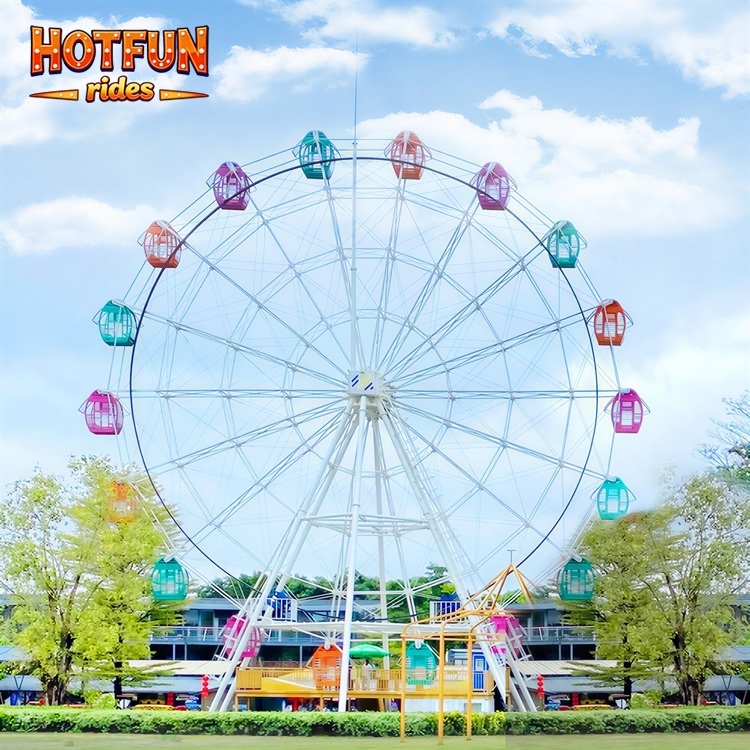
When it comes to Ferris wheel maintenance, keeping your ride in top condition is essential for the safety of your guests and the longevity of your investment. From the moment the ride is installed, a consistent and thorough maintenance strategy is required to ensure smooth, safe operations and to minimize downtime. This article provides a detailed overview of daily, weekly, and annual maintenance procedures that will help you get the most out of your Ferris wheel and maximize its service life.
Daily Maintenance Tasks: Ensuring Safe and Smooth Operations
Visual Inspections
Every day before the ride is opened to the public, a visual inspection should be conducted by the ride operator or maintenance personnel. This includes checking the gondolas and seats for damage, ensuring safety restraints like lap bars and seatbelts are functioning properly, and inspecting the loading platform for any obstructions or issues that might affect passenger safety.
Mechanical Checks
Another critical part of daily maintenance is to ensure that the rotating mechanism, motors, and control systems are operating smoothly. This involves checking for unusual vibrations or noise in the system and verifying that the drive motors and gear mechanisms are functioning at optimal levels. Even small issues like a misaligned bearing or excessive wear can lead to larger, more costly repairs if not caught early.
Operational Test
Before opening the ride, an empty test cycle should be performed to ensure everything is operating as expected. This test should check the rotation of the Ferris wheel, the braking system, and the emergency stop function. This will help identify any issues that could potentially endanger riders or cause system malfunctions.
Weekly Maintenance: Keeping the Ride in Top Condition
Lubrication of Moving Parts
Lubricating the bearings, gears, and pivot points is essential to prevent wear and tear on the ride’s mechanical components. Proper lubrication ensures smooth operation and reduces the need for frequent repairs. Use weather-resistant lubricants designed for heavy machinery to protect against moisture and extreme conditions.
Electrical and Control Systems Checks
On a weekly basis, the electrical systems should be inspected. This includes testing the control panels, checking for any wiring wear or moisture damage, and verifying that all safety alarms and emergency controls are fully functional. Any malfunctions with the control systems could result in operational failures or safety hazards.
Structural Integrity Inspection
The steel frame and supporting structure of the Ferris wheel should be carefully inspected for any signs of rust, cracks, or weakness. This inspection also includes checking for loose bolts and tightening any connections that may have come loose over time. It’s essential to maintain the rigidity of the Ferris wheel to avoid any risk of structural failure.
Annual Maintenance: Comprehensive Overhaul and Certification
Comprehensive Mechanical Overhaul
Once a year, the Ferris wheel should undergo a thorough mechanical overhaul. This involves disassembling key components to inspect them for wear or damage. Major components like gears, bearings, and drive systems should be checked and replaced if necessary. Additionally, any hydraulic or pneumatic systems should be pressure-tested to ensure they are operating correctly.
Protective Coatings
For outdoor Ferris wheels, it’s crucial to apply protective coatings to the steel frame to prevent corrosion. This is especially important in areas with high humidity, salt air, or frequent rainfall. Reapplying these protective layers each year helps prevent rust and prolongs the life of the ride’s structure.
Safety Inspections and Certifications
Finally, an official safety inspection should be performed annually to comply with local regulations and international safety standards. Depending on the country or region, certifications such as CE or ASTM may be required. These inspections ensure that the ride meets all necessary safety protocols and is legally compliant for operation.
Record Keeping and Predictive Maintenance
One of the key aspects of Ferris wheel maintenance is maintaining detailed records. Operators should keep logs of all inspections, repairs, and parts replacements. These records will help track the wear and tear of different components and will provide valuable information when planning for future maintenance. By using these historical records, operators can implement a predictive maintenance strategy to identify parts that are more likely to fail in the near future, allowing them to replace them proactively.
Conclusion: Protecting Your Investment
Proper Ferris wheel maintenance is a combination of daily checks, weekly care, and annual overhauls. By maintaining your ride regularly, you can ensure that it remains a safe, reliable, and long-lasting attraction. Not only does this keep guests happy, but it also protects your investment and ensures that the ride delivers returns for many years to come.
A well-maintained Ferris wheel will provide a smooth, enjoyable ride for guests and generate steady revenue for amusement parks, tourist destinations, and urban entertainment centers. Follow these maintenance guidelines, and you’ll be able to enjoy the benefits of your Ferris wheel for years to come.